
What Is Addiction?
Addiction is a powerful, compulsive urge to keep using a substance or repeating a behavior even when it is clearly causing harm. It is not about enjoying something too much. It goes far deeper than that.
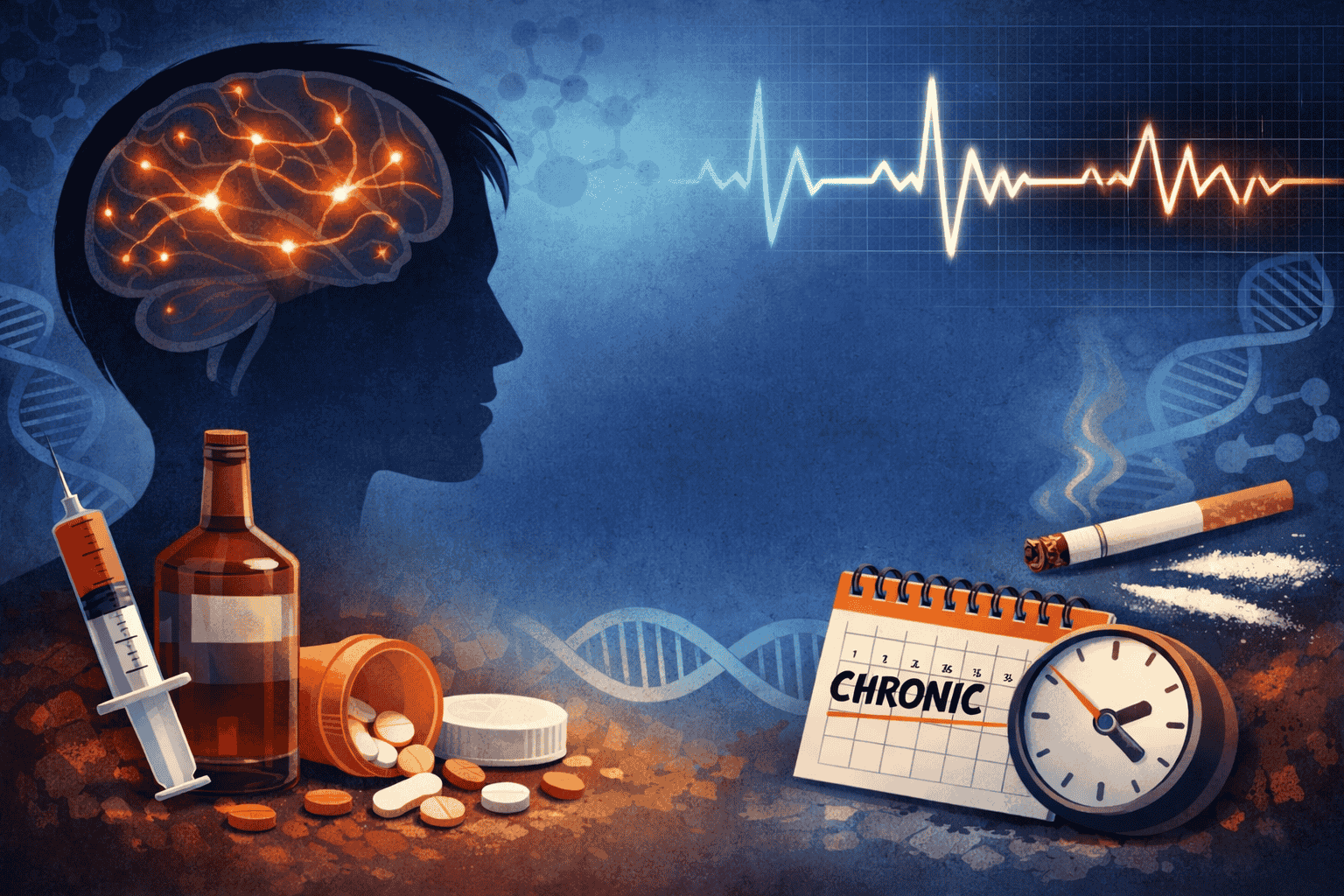
When a person is addicted, their brain becomes physically dependent on that substance or behavior to feel “normal.” Over time, they lose control. They cannot simply stop even when they want to. According to the American Society of Addiction Medicine (ASAM), addiction is a chronic brain disorder involving reward, motivation, and memory systems.
Substance vs. Behavioral Addiction
Most people think of addiction as only involving drugs or alcohol. But addiction comes in two main forms:
Substance Addiction involves chemical substances like alcohol, nicotine, opioids, cocaine, or prescription medications. These substances directly flood the brain with dopamine, creating intense pleasure and then dependence.
Behavioral Addiction involves compulsive behaviors like gambling, gaming, shopping, or social media use. No substance enters the body, yet the brain reacts the same way. The reward cycle is identical.
Both types of addiction hijack the brain’s natural reward system. Both cause loss of control. And both require proper treatment.
Understanding Substance Use Disorder
Doctors and psychologists use a specific term for addiction, called Substance Use Disorder (SUD). This term comes from the Diagnostic and Statistical Manual of Mental Disorders (DSM-5), which is the official guide mental health professionals use to diagnose mental health conditions.
(SUD) is diagnosed when a person’s use of alcohol or drugs starts causing problems in everyday life. These problems may affect their relationships, job, physical health, or personal safety. SUD can range from mild to severe, depending on how much it affects a person’s life.
Substance use can change the way the brain works, making it harder to make good decisions, control urges, and manage emotions. Because of these changes, SUD is considered a medical condition rather than a lack of willpower or a personal failing. The earlier a person gets help, the better their chances of recovery and long-term success.
Is addiction a disease or a choice?
Addiction may start with a person’s decision to use a substance, but repeated use can change the brain over time. These changes make it much harder to control cravings and stop using. Because of its effects on brain function and behavior, addiction is recognized as a chronic medical condition, not simply a choice.
What Does It Mean to Have a Chronic Disease?
A chronic disease is a long-lasting health condition that cannot be fully cured but can be managed with the right treatment. It develops slowly, stays for a long time, often a lifetime, and requires ongoing medical care. Unlike a cold or infection that goes away, chronic diseases need consistent attention, lifestyle changes, and support to keep them under control.
Characteristics of Chronic Diseases
Not every illness is chronic. Doctors identify a chronic disease by these key characteristics:
Long Duration. Chronic diseases last one year or longer. They do not simply disappear after a short treatment course.
Relapse and Remission. Symptoms can improve with treatment, but they can return if care stops. This cycle is completely normal in a chronic condition.
Multiple Causes. Chronic diseases usually do not have a single cause. They involve a mix of genetics, lifestyle, environment, and sometimes early life experiences.
Ongoing Treatment Required. There is no single pill or surgery that can cure a chronic disease permanently. Management is a lifelong process.
Affects Quality of Life. Chronic diseases impact daily functioning, work, relationships, mental health, and overall well-being.
According to the Centers for Disease Control and Prevention (CDC), chronic diseases are the main cause of death and disability in the United States. Many of these conditions are linked to risk factors that can be reduced through healthy lifestyle choices, regular medical care, and preventive measures.
Common Examples of Chronic Diseases
Understanding addiction as a chronic disease becomes easier when we compare it to conditions most people already accept as real diseases:
Diabetes. The body cannot properly regulate blood sugar. It requires daily medication, diet changes, and lifelong monitoring. It cannot be cured, only managed. If ignored, it becomes life-threatening.
Hypertension (High Blood Pressure). The heart works under constant excessive pressure. Patients need regular check-ups, medication, and lifestyle changes for life. Left untreated, it leads to a heart attack or stroke.
Asthma. The airways become inflamed and narrow, making breathing difficult. Triggers like stress, pollution, or allergens can cause sudden attacks. Patients carry inhalers and follow long-term treatment plans.
All three conditions share something important: none of them are the patient’s fault. No one chooses diabetes. No one chooses asthma. And just like addiction, they all require long-term medical care, not blame.
Why Long-Term Management Matters
With chronic diseases, stopping treatment early is dangerous. A diabetic who skips insulin, an asthmatic who ignores triggers, or an addicted person who quits therapy all face the same risk: relapse and serious health consequences.
Long-term management works because it:
- Prevents dangerous relapses
- Improves daily functioning and quality of life
- Reduces the risk of life-threatening complications
- Builds healthy habits that support recovery
According to the World Health Organization (WHO), consistent long-term care is the single most effective strategy for managing any chronic condition, including addiction.
What makes a disease chronic?
A disease is called chronic when it lasts for a long time, usually a year or more, and requires ongoing treatment or management. It often develops gradually, may not have a complete cure, and can affect daily life. Examples include diabetes, heart disease, asthma, and substance use disorder.
How Does Addiction Affect the Brain?
Addiction affects the brain by permanently changing the way it works. When someone uses drugs or alcohol repeatedly, the brain’s reward system gets hijacked. It stops responding to everyday pleasures and becomes completely dependent on the substance to feel good.
Long-Term Changes in the Brain
The brain is the control center of everything we do. Addiction can physically rewire the brain.
If someone regularly uses drugs or alcohol, the brain’s reward system gets flooded with dopamine, the “feel-good” chemical. As time goes on, the brain adjusts. It is less able to produce dopamine naturally and becomes dependent on the substance to feel pleasure or even normal.
Three key brain areas are damaged
Prefrontal Cortex. It is a part of the brain that controls decision-making and impulse control. Addiction makes the prefrontal cortex weaker, so it becomes harder to control decisions and actions.
Nucleus Accumbens. The brain’s area that makes us feel rewarded, motivated, and more likely to repeat certain behaviors. It becomes overloaded by substances and under-responsive to everyday pleasures.
Amygdala. It is the part of the brain that controls emotions and stress. In addiction, it triggers strong cravings and anxiety when the substance is absent.
These changes do not disappear after quitting. According to NIDA, the brain can take months or years to heal, which is exactly why addiction is chronic and progressive.
Persistent Risk of Relapse
One of the strongest reasons addiction is considered a chronic disease is its high relapse rate.
A relapse is when you go back to the use of substances after a period of stopping. It is not a sign of weakness or failure; it is a medical reality of chronic disease. Studies show that 40 to 60 percent of people who recover from addiction suffer at least one relapse, similar to the rate for relapse in diabetes and hypertension.
Factors that make relapse more likely:
Stress: Feeling worried, pressured, or overwhelmed activates old brain patterns.
People and Places: Seeing people, places, or things linked to the old behavior
Negative Emotions: Depression, loneliness, and anxiety increase vulnerability.
Overconfidence: Means thinking the problem is completely gone and letting your guard down.
Poor coping skills: This means not knowing healthy ways to deal with problems.
Understanding that relapse is a part of the disease process, not a personal failure, is important. A relapse does not mean treatment has failed; it means the treatment plan may need to be continued, reviewed, and adjusted to better support recovery.
Impact on Daily Life and Functioning
Addiction does not remain limited to one area of life. It spills over into every aspect of a person’s life.
People living with untreated addiction often experience:
Relationship breakdown: Trust is damaged, families are torn apart, and friendships disappear.
Job loss and financial problems: Concentration, reliability, and performance all suffer
Physical health decline: Liver damage, heart disease, weakened immunity, and malnutrition are common
Mental health disorders: Anxiety, depression, and PTSD frequently occur alongside addiction, a condition called dual diagnosis
Findings from the National Institute of Mental Health (NIMH) show that millions of people living with addiction also struggle with co-occurring mental health conditions, such as depression, anxiety, or bipolar disorder, making recovery even more complex without proper support.
Need for Ongoing Treatment
Because addiction changes the brain long-term, treatment cannot be a one-time event.
Effective addiction treatment looks like:
Medication-Assisted Treatment (MAT): Medications like methadone or buprenorphine reduce cravings and withdrawal symptoms
Behavioral Therapy: CBT and motivational interviewing help rewire thinking patterns
Support Groups: Programs like Narcotics Anonymous provide community and accountability
Relapse Prevention Planning: Identifying triggers and building coping strategies
Just like a diabetic needs daily insulin and a hypertensive patient needs regular medication, a person recovering from addiction needs consistent, long-term care.
Case Study #1: A Recovery Journey After Relapse
“Michael’s Story”
Michael, a 38-year-old teacher, completed a 90-day alcohol rehabilitation program and remained sober for nearly two years. Then a painful divorce triggered intense stress — and he relapsed.
Feeling ashamed, he initially hid it from his counselor. But with encouragement from his support group, he returned to treatment within three weeks. His care team adjusted his therapy plan, added medication support, and increased his counseling sessions.
Today, Michael has been sober for four years. He says returning to treatment after relapse was the bravest and most important decision of his life.
“Relapse didn’t mean I failed. It meant my disease needed more attention.”
Key Takeaway:
Relapse is not the end of recovery; it is a signal that treatment needs to be strengthened and continued.
How Addiction Changes the Brain
Addiction does not just change behavior; it changes the brain itself. Repeated substance use rewires the brain’s reward system, weakens self-control, and creates powerful memories linked to cravings. These changes make quitting extremely difficult, not because the person is weak, but because their brain has been changed both physically and chemically.
The Brain’s Reward System
Think of the brain’s reward system as a natural motivation engine. It is designed to make you feel good when you do something healthy like eating, exercising, or spending time with loved ones. This good feeling encourages you to repeat healthy behaviors.
Here is how it works normally:
- You do something positive
- Your brain releases dopamine, the feel-good chemical
- You feel pleasure and satisfaction
- Your brain remembers it and wants to repeat it
When drugs or alcohol enter this system, they hijack the entire process. They flood the brain with dopamine in amounts far greater than any natural reward could produce.
Dopamine and Pleasure
Dopamine is the brain’s “feel-good” messenger. It is released naturally when we experience pleasure, a delicious meal, a warm hug, or an exciting achievement.
Drugs and alcohol artificially flood the brain with dopamine, sometimes releasing 2 to 10 times more than any natural experience. This creates an intense rush of pleasure that the brain has never felt before.
But here is the problem: the brain is smart. It notices this extreme flood and tries to balance itself by:
- Producing less dopamine naturally
- Reducing the number of dopamine receptors
This means that with time, the person needs more and more of the substance to feel normal, a process called tolerance. Everyday pleasures, food, laughter, and relationships start to feel dull and meaningless without the substance.
Cravings and Memory
The brain has a powerful memory system. It is designed to remember what felt good and push you toward repeating it.
In substance addiction, the brain creates extremely strong memories connected to substance use, the people, places, smells, and emotions associated with using. These memories become deeply programmed triggers.
Even years after quitting, a person can:
- Smell alcohol and instantly feel a craving
- Drive past an old neighborhood and feel the urge to use
- Feel stressed and automatically think about using
This is not imagination; it is the brain’s memory and reward system becoming activated. The National Institute on Alcohol Abuse and Alcoholism (NIAAA) explains that the sight, thought, or other cues associated with past substance use can trigger cravings, making it difficult for a person to resist urges during recovery.
Decision-Making and Self-Control
One of the most damaging effects of addiction is what it does to the prefrontal cortex, the part of the brain responsible for:
- Logical thinking
- Impulse control
- Planning ahead
- Weighing consequences
Addiction weakens and shrinks this critical area that helps with decision-making and self-control. Because of this, a person may make risky choices they normally would not make, understand the negative effects of substance use but still struggle to stop, and find it difficult to control cravings even when they have a strong desire to quit.
Case Study #2: Understanding Cravings in Recovery
“Sara’s Story”
Sara, a 32-year-old nurse, had been clean from cocaine for 18 months. She was proud of her progress and felt stable in her recovery. Then one evening, she attended a colleague’s retirement party — the same venue where she had used cocaine years before.
The moment she walked in, her heart raced. Her hands felt shaky. An overwhelming craving hit her without warning. She had not expected it at all.
Sara immediately called her sponsor and left the event. In her next therapy session, her counselor explained that her brain had stored powerful memories linked to that location — and they had fired automatically.
Together they worked on trigger identification and avoidance strategies — and Sara remained clean.
“I wasn’t weak. My brain just remembered something I was trying to forget.”
Key Takeaway:
Cravings are not a weakness; they are the brain’s memory system firing, and they can be managed with the right support.
Addiction vs. Other Chronic Diseases
Addiction shares the same core features as other chronic diseases — it has biological causes, lasts long-term, requires ongoing treatment, and can relapse. Like diabetes or asthma, it is not caused by weak character. The key difference is that addiction also involves behavioral and psychological components that make it more complex and more stigmatized than most other chronic conditions.
Similarities
Addiction and other chronic diseases like diabetes, asthma, and hypertension share remarkably similar patterns:
- Genetic Influence: Just like diabetes runs in families, addiction has a strong genetic component.
- Relapse is Normal: In Diabetes patients, there are blood sugar spikes. Asthma patients have breathing attacks. Addicted individuals have relapses. All three are expected parts of managing a chronic condition, not signs of failure.
- Requires Long-Term Treatment: No chronic disease is cured with a single treatment. All require ongoing medication, therapy, lifestyle changes, and regular professional monitoring to stay stable.
- Environmental Triggers: Stress, poor diet, and lifestyle choices worsen diabetes and asthma. Similarly, stress, trauma, and toxic environments trigger and worsen addiction.
- Cannot Be Cured: Only managed. Just as a diabetic will always need to monitor blood sugar, a person in recovery must always manage their condition actively to maintain sobriety.
Differences
While addiction shares much with other chronic diseases, there are some important differences:
- Behavioral Component: Unlike diabetes or asthma, addiction directly affects behavior, judgment, and decision-making, making it harder to manage independently.
- Social Stigma: People with diabetes are met with sympathy, but people with addiction are often met with blame and shame, which discourages them from seeking help.
- Legal Consequences: Addiction sometimes involves illegal substances or behaviors, adding legal and social consequences that diabetes and asthma never carry.
- Treatment Complexity: Addiction treatment must address physical, psychological, social, and sometimes spiritual domains simultaneously, making it uniquely complex among chronic diseases.
Is addiction similar to diabetes?
Yes, both are chronic diseases influenced by genetics, environment, and lifestyle. Both require long-term management, both can relapse, and neither is the patient’s fault. The key difference is that addiction also affects behavior and mental health, adding an extra layer of complexity to treatment.